Timing: 10 am to 9 pm. Last entry at 8 pm.
Museum is Closed on Monday & National Holidays

Humayun World Heritage Site Museum, Nizamuddin,
Sunder Nursery, New Delhi, 110013
Follow:


.jpg)
“Insofar as civilizations manifest and express themselves through their art, museums have an essential role to play in teaching understanding, respect, and appreciation and ensuring that whole populations are given fresh opportunities to make contact with each other, using new, modern methods imaginatively and intelligently to bring about truly global communication.”
- His Late Highness Prince Karim Aga Khan IV
“Museums and historic landmarks preserve and reveal the story of humanity. Inherently, they are places that foster connections among people as we delve into our collective, intricate past, and consider how we can collaboratively shape a united and better future,” said His Highness the Aga Khan at the inauguration. “The Museum thus serves as a link, not only joining Humayun’s Tomb and Sunder Nursery, but also bridging the gap between history and the present.”
The museum, developed by the Aga Khan Trust for Culture (AKTC) in partnership with the Archaeological Survey of India, is the culmination of 25 years of conservation efforts in a 300-acre site that encompasses Humayun's Tomb, Sunder Nursery and the Nizamuddin Basti. Since 2007, more than 60 monuments have been preserved, some 20 of which are on the World Heritage list. In 2018, the Sunder Nursery was opened, providing an oasis of greenery and calm to the citizens of Delhi. Today, these sites receive more than 3 million visitors per year.

“Insofar as civilisations manifest and express themselves through their art, museums have an essential role to play in teaching understanding, respect, and appreciation and ensuring that whole populations are given fresh opportunities to make contact with each other, using new, modern methods imaginatively and intelligently to bring about truly global communication.”
- His Highness the Aga Khan
“Museums and historic landmarks preserve and reveal the story of humanity. Inherently, they are places that foster connections among people as we delve into our collective, intricate past, and consider how we can collaboratively shape a united and better future,” said Prince Rahim Aga Khan at the inauguration. “The Museum thus serves as a link, not only joining Humayun’s Tomb and Sunder Nursery, but also bridging the gap between history and the present.”
The museum, developed by the Aga Khan Trust for Culture (AKTC) in partnership with the Archaeological Survey of India, is the culmination of 25 years of conservation efforts in a 300-acre site that encompasses Humayun's Tomb, Sunder Nursery and the Nizamuddin Basti. Since 2007, more than 60 monuments have been preserved, some 20 of which are on the World Heritage list. In 2018, the Sunder Nursery was opened, providing an oasis of greenery and calm to the citizens of Delhi. Today, these sites receive more than 3 million visitors per year.
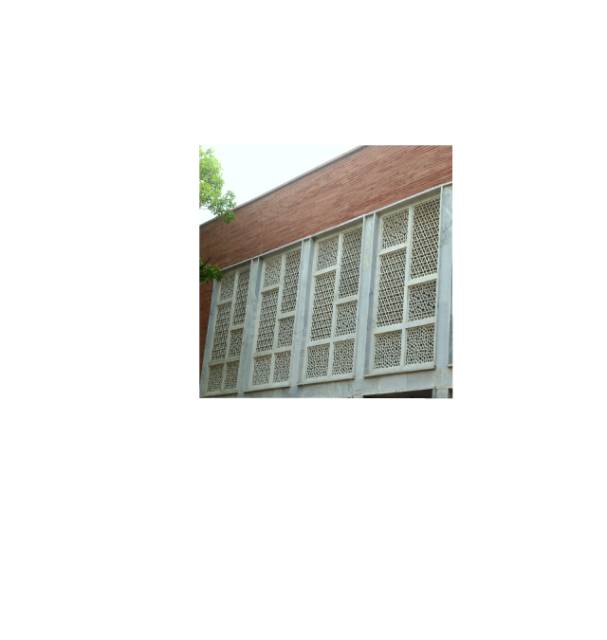
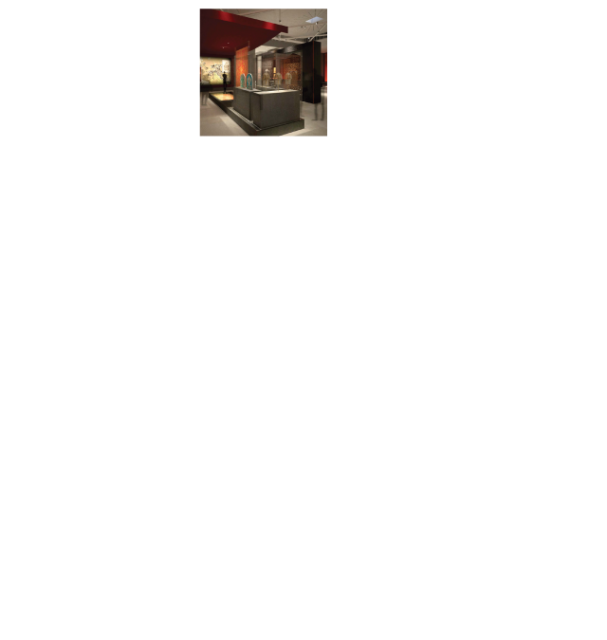
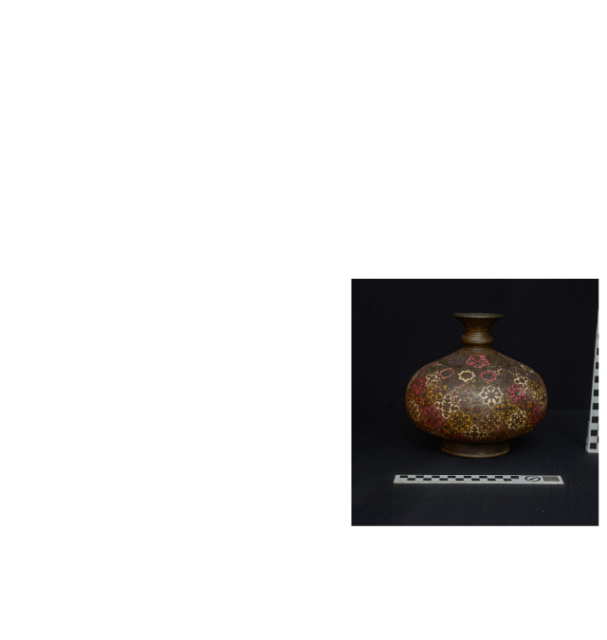
The Museum built at the entrance of the World Heritage Site not only enhances visitor experience, but also allows for a better understanding of Nizamuddin Area’s architecture and building craft traditions; shed light on the development of the area over seven centuries; and, most significantly, explain the pluralist Sufi cultural traditions that defined Hindustani culture. It aims at enhancing visitor experience and provides an opportunity to host collections on art, architecture and culture and become a model for other such facilities across the country.


Humayun’s Tomb Museum has been designed as a Gateway – a Connecting Point located at the juncture of three historically connected sites: Humayun's Tomb and its Gardens, Hazrat Nizamuddin Basti, and the Sunder Nursery.

Following a decade-long revitalisation efforts undertaken by the Aga Khan Trust for Culture, which included the conservation of monuments, restoration of parks and gardens and related socio-economic projects in neighbouring districts, in 2015 work began on the construction of Humayun’s Tomb Museum. The building is built at the entrance of the Humayun’s Tomb World Heritage Site and aims to enhance visitor experience; allow a better understanding of Mughal architecture and building craft traditions; shed light on the development of the Nizamuddin area over a millennium; and, most significantly, explain the pluralist Sufi cultural traditions that defined Hindustani culture for at least five centuries.


“Humayun’s Tomb Museum has been designed as a Gateway – a Connecting Point located at the juncture of three historically connected sites: Humayun's Tomb and its Gardens, Hazrat Nizamuddin Basti, and the Sunder Nursery.
In connecting these sites, the Museum will also serve as a bridge between the present and the past – linking the modern city of Delhi to its remarkable heritage – and thus providing a Gateway to a truly extraordinary period of human history.
That remarkable chapter in the human was a time of enormous accomplishment – and enormous significance…It was led by men whose talents in statehood and in military affairs were remarkable – and their impact was felt in virtually every dimension of human existence, both within the empire and outside...They were statesmen who would have excelled in any time.”
His Highness The Aga Khan
Speaking on the occasion of foundation stone laying ceremony for Humayun’s Tomb Museum, April 2015.
Read Full Speech