Timing: 10 am to 9 pm. Last entry at 8 pm.
Museum is Closed on Monday & National Holidays

Humayun World Heritage Site Museum, Nizamuddin,
Sunder Nursery, New Delhi, 110013
Follow:



.jpg)
.jpg)
.jpg)
.jpg)
.jpg)
Timing: 10 am to 9 pm. Last entry at 8 pm.
Museum is Closed on Monday & National Holidays
“Insofar as civilizations manifest and express themselves through their art, museums have an essential role to play in teaching understanding, respect, and appreciation and ensuring that whole populations are given fresh opportunities to make contact with each other, using new, modern methods imaginatively and intelligently to bring about truly global communication.”
- His Late Highness Prince Karim Aga Khan IV
“Museums and historic landmarks preserve and reveal the story of humanity. Inherently, they are places that foster connections among people as we delve into our collective, intricate past, and consider how we can collaboratively shape a united and better future,” said His Highness the Aga Khan at the inauguration. “The Museum thus serves as a link, not only joining Humayun’s Tomb and Sunder Nursery, but also bridging the gap between history and the present.”
The museum, developed by the Aga Khan Trust for Culture (AKTC) in partnership with the Archaeological Survey of India, is the culmination of 25 years of conservation efforts in a 300-acre site that encompasses Humayun's Tomb, Sunder Nursery and the Nizamuddin Basti. Since 2007, more than 60 monuments have been preserved, some 20 of which are on the World Heritage list. In 2018, the Sunder Nursery was opened, providing an oasis of greenery and calm to the citizens of Delhi. Today, these sites receive more than 3 million visitors per year.

.jpg)
The unbroken history of Seven centuries
The many facets from his life
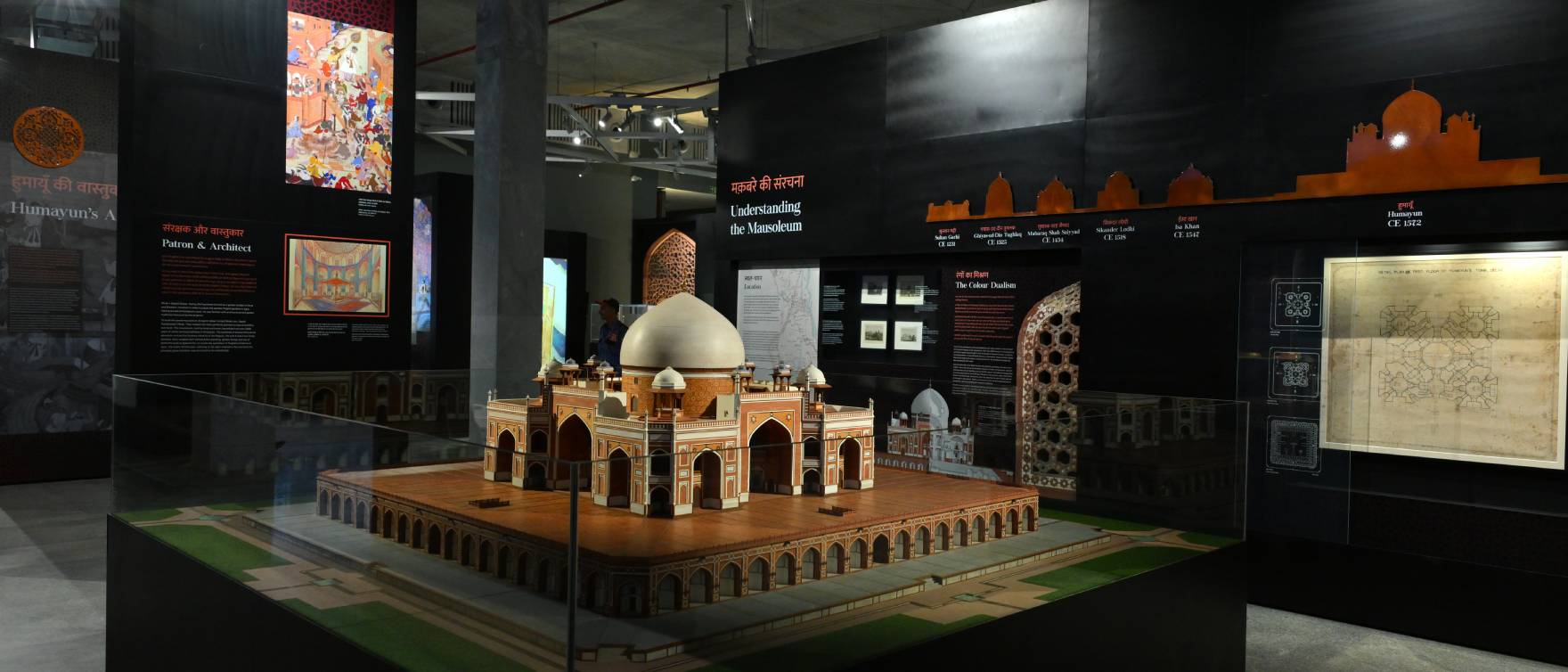
Its origins, significance, and grandeur
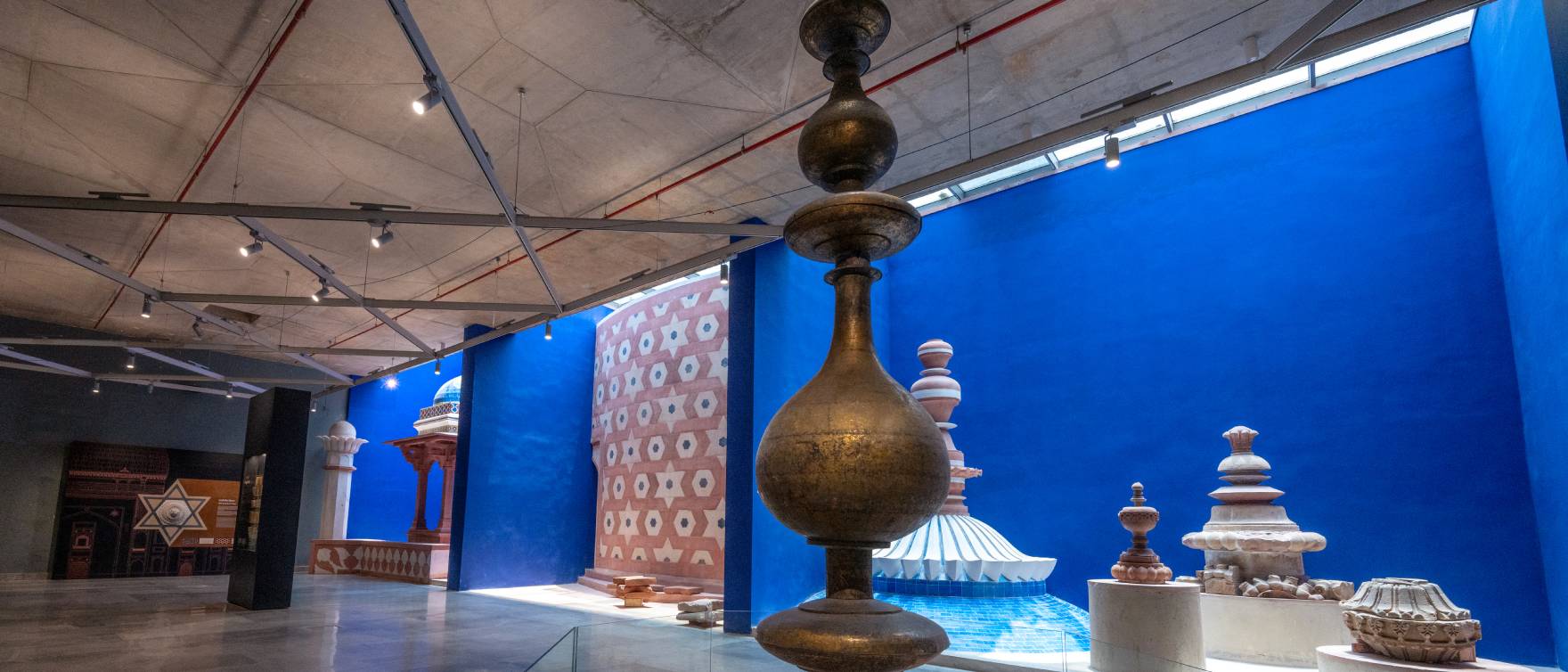
Its gardens and the conservation
effort undertaken here
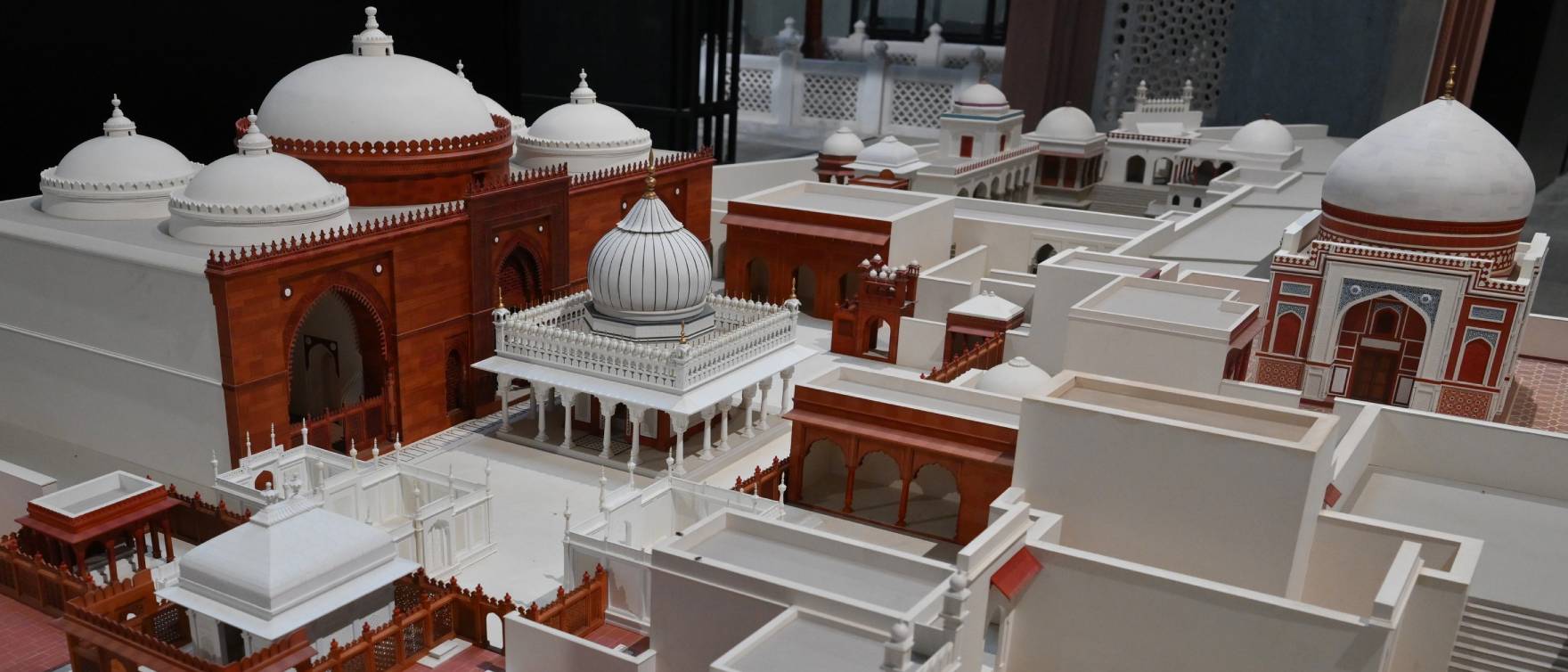
The cultural icons associated who lived and died here
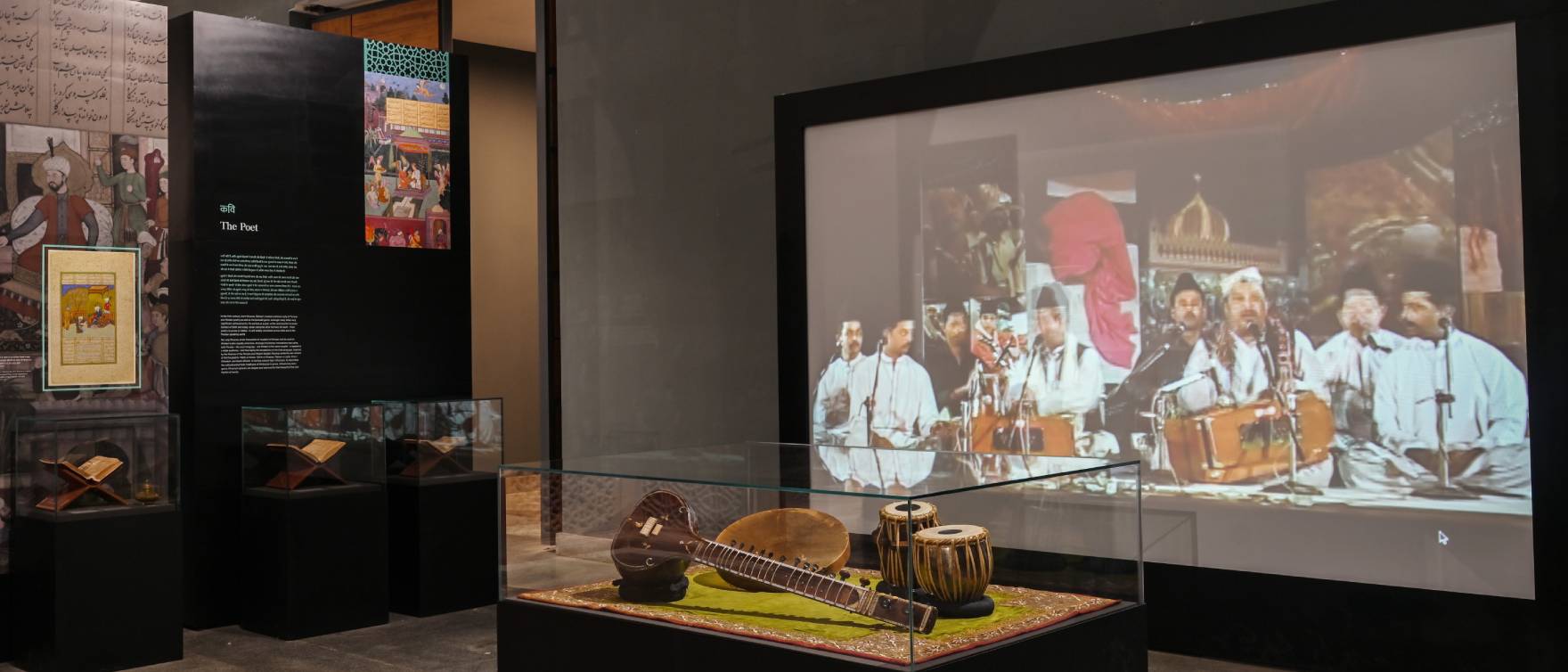
His multifaceted life as a courtier, writer, poet, musician
Humayun's Tomb Museum was conceived to provide a platform and environment which serves as a catalyst to initiate conversations on art, culture, history, and heritage. To facilitate these interactions, the Museum welcomes you to choose from a wide array of events and exhibitions held regularly in its Auditorium, exhibition galleries, and open courtyards. To book from one of the venues in the Musuem and Sunder Nursery park, please write to: contact@htmuseum.org
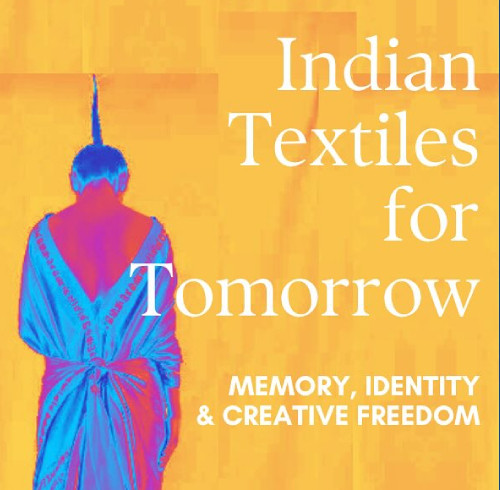
As India’s rich textile traditions continue to shape global conversations on design, Indian Textiles for Tomorrow brings together two pioneering creative leaders to explore how heritage, innovation, and sustainability can coexist in contemporary practice.
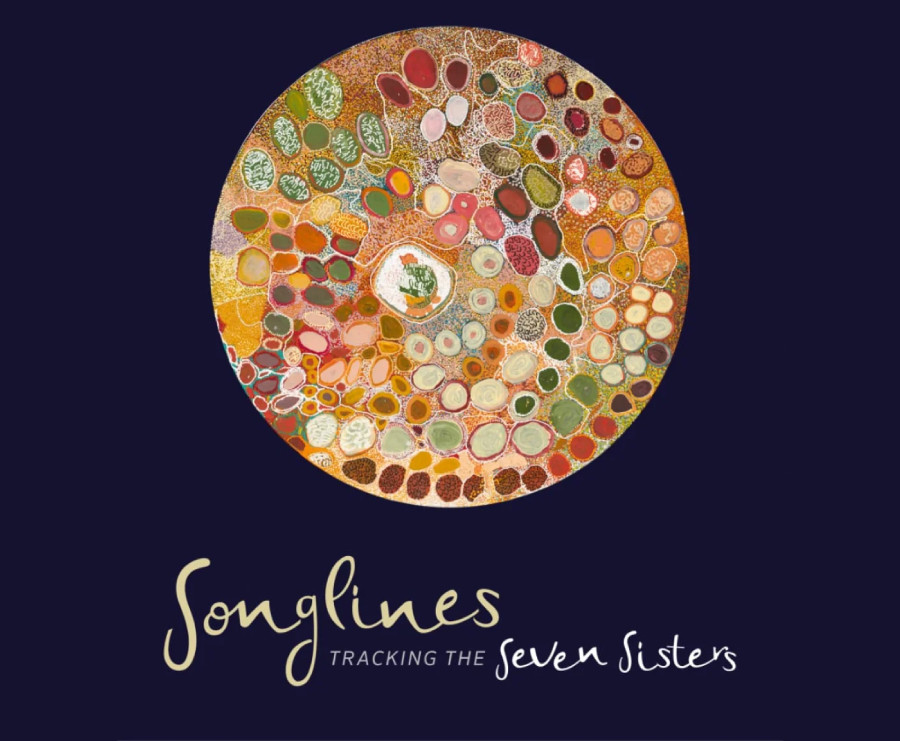
Presented by KNMA in collaboration with the National Museum of Australia and Humayun’s Tomb Museum, the exhibition offers a rare and deeply resonant encounter with the knowledge systems and enduring connections to land held by Australia's First Peoples.
Through large-scale installations, atmospheric projections, soundscapes, and digital storytelling, ‘Songlines: Tracking the Seven Sisters’ invites you to walk alongside the Sisters as they travel across land and sky – a journey carried through song, memory, and community.
Songlines offers a rare opportunity to experience an ancient story of Australia’s indigenous communities that continues to live, travel, and evolve.
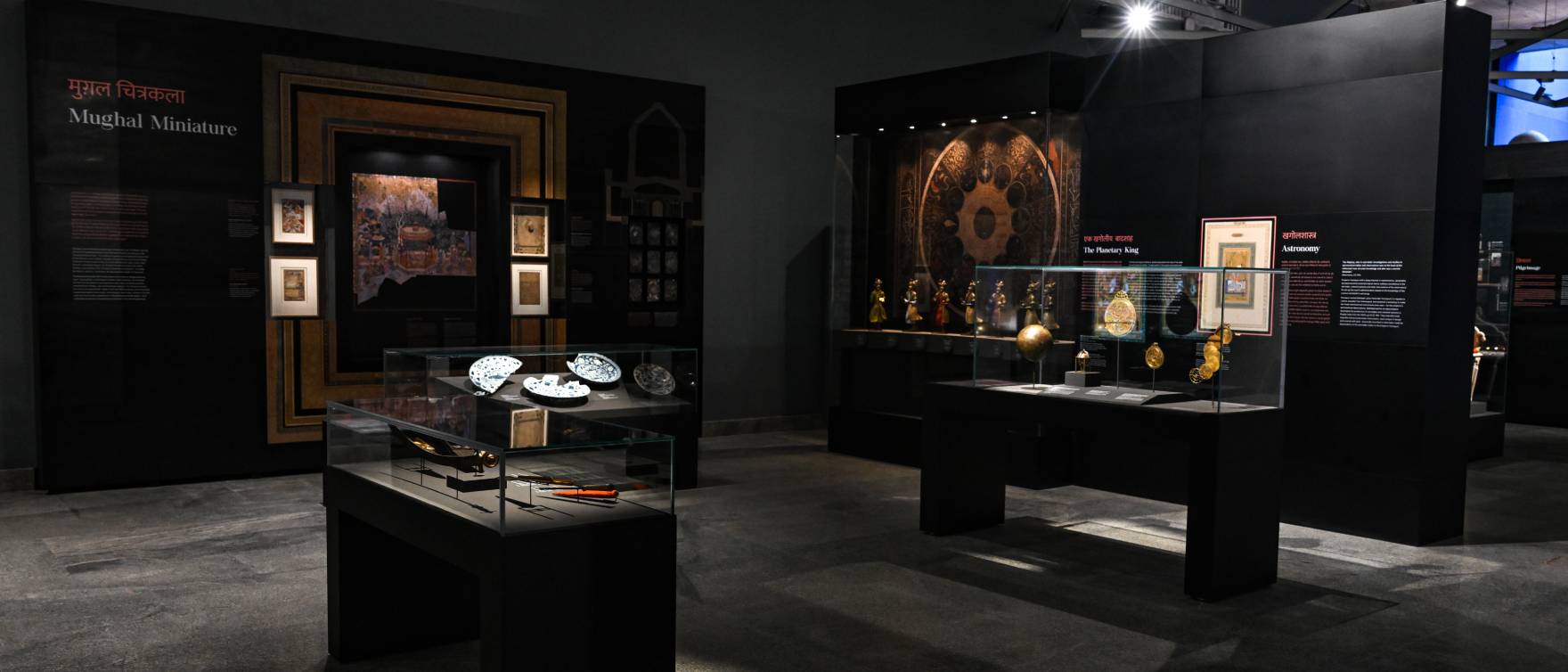
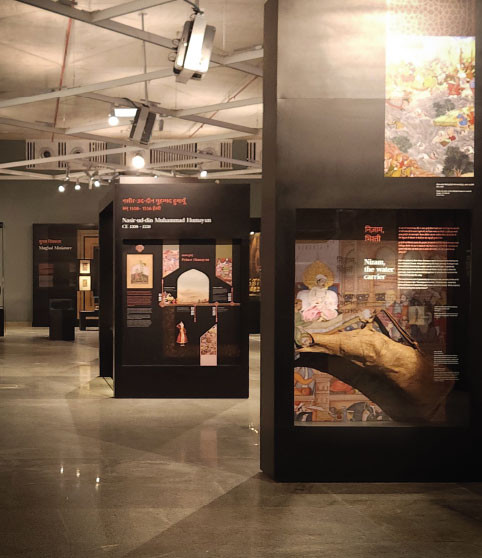
Humayun's Tomb Museum aspires to promote an understanding of the cultural and aesthetic practices that flourished during the Mughal era, and create a contemporary experience worthy of a 21st century addition to this extraordinary World Heritage Site.

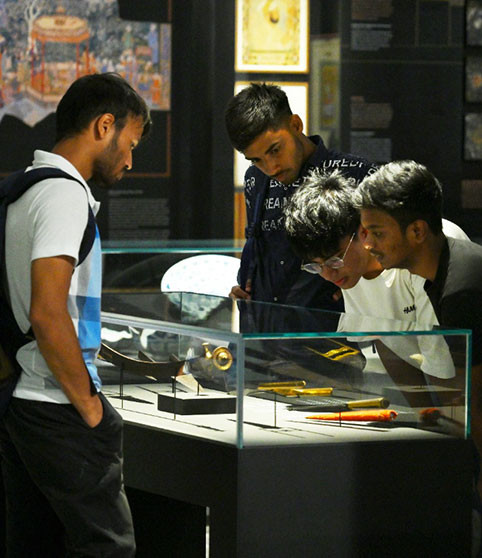
Our Museum team will help in enriching your visit by connecting you to the guides for a curated walk.
contact@htmusuem.org

Timing:10 am to 9 pm. Last entry at 8 pm.
Museum is Closed on Monday & National Holidays.Contact: 011-40700 700
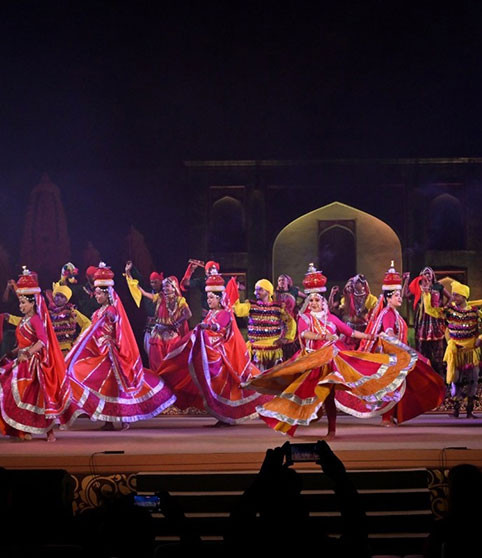

Explore the Museum and its various venues which can be rented for cultural and educational events.
events@htmuseum.org

Ticket Info
Indian / SAARC Citizens - Rs 50/-
Children (5-12 years) - Rs 25/-
Other Nationalities - Rs 300/-
.jpg)
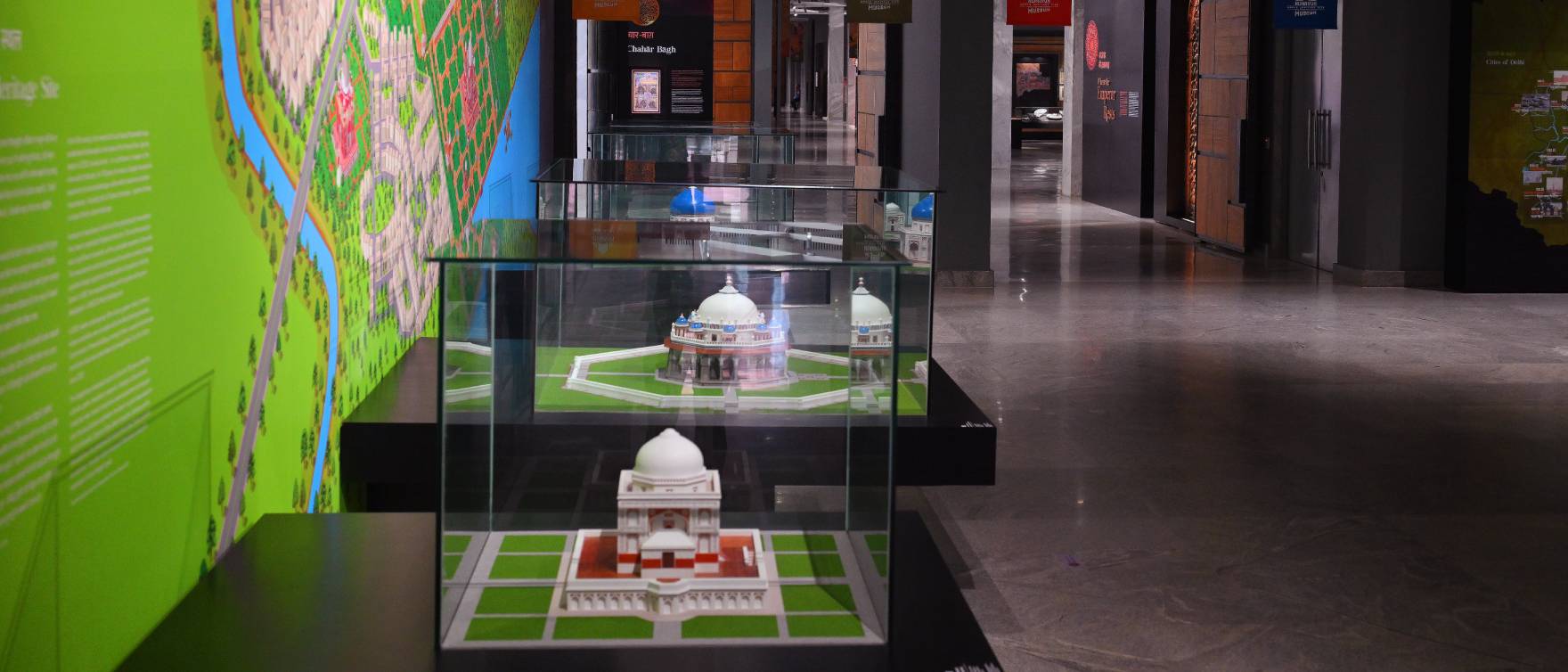
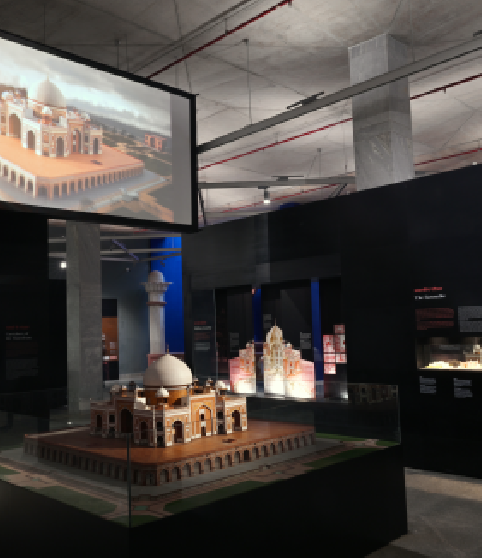
Apart from the never-seen-before collection from the National Museum, and ASI Museum, the Musuem will also showcase the grand restored copper finial of Humayun’s Tomb, as well as other original architectural elements recovered during the conservation effort undertaken at the Humayun’s Tomb complex. Reconstructions of prominent architectural elements of monuments and landscapes from the greater Nizamuddin area are also featured here, which will inform and inspire the visitors to visit these architectural gems in the area.
The Museum will enable visitors to experience the magnificent craft traditions that were introduced to India during this period and which continue to flourish in myriad ways. The illuminated plastered ceilings reflect the geometrical sophistication of the Mughal age.....


“It is a major achievement that after 70 years we have a Site Museum for a World Heritage Site. It’s a concept that is seen all over the world, but rarely in India. The museum is a reminder of our plurality, our inclusivity. These are valuable points for conversation.”


“Sunder Nursery now homes Humayun’s Tomb World Heritage Site Museum... As one descends into the gallery blocks through stone ramps, 40-foot wide 3D illustrations and finely crafted architectural models highlight several World Heritage monuments built here along the river Yamuna.”